DITAPSafetyLet's talk
Home/Solutions

Solutions

IP cameras and CCTV recording

Check what’s happening in your business and review the images when you need to.

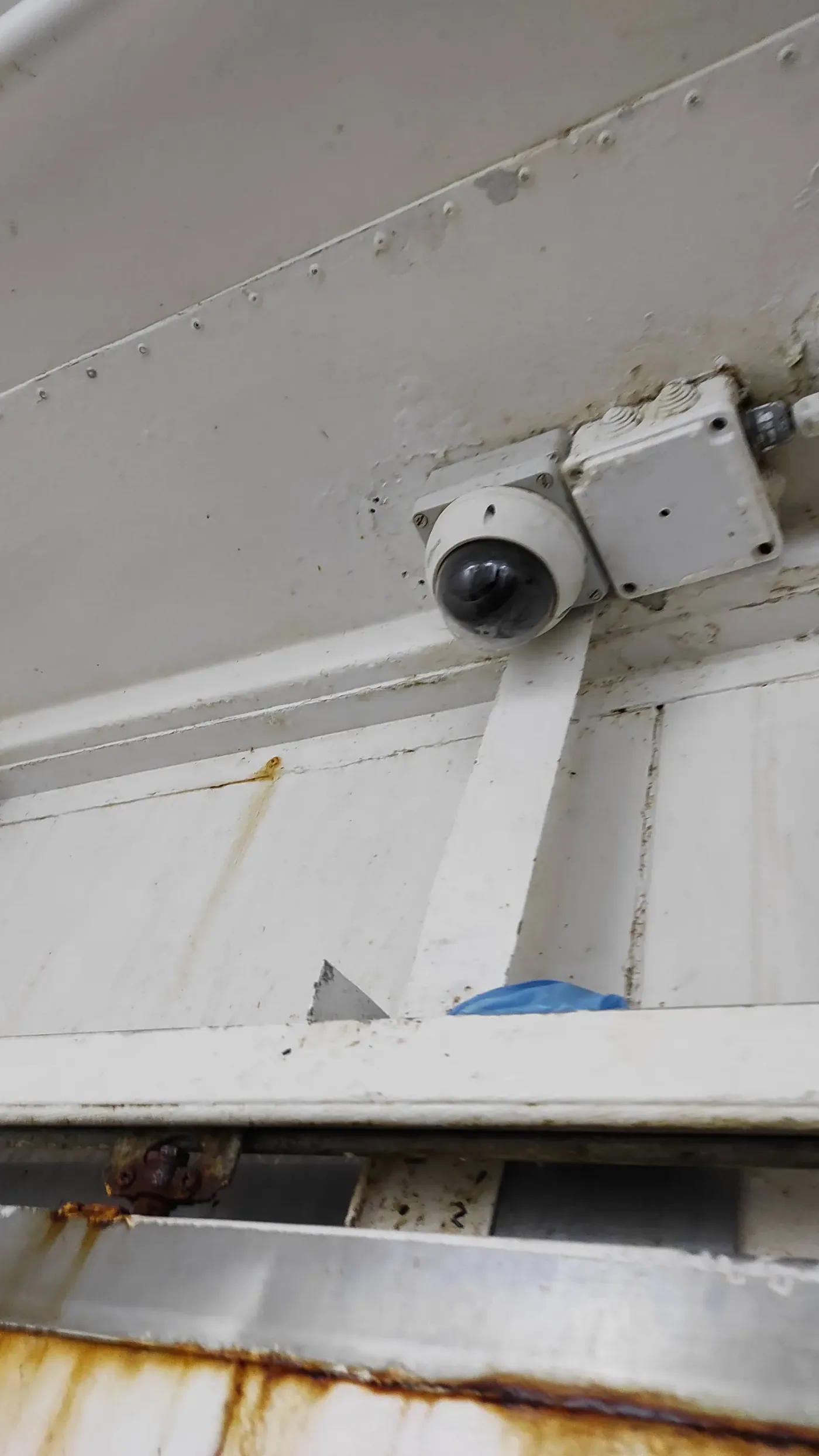
Dome camera installed under an overhang, for outdoor use.
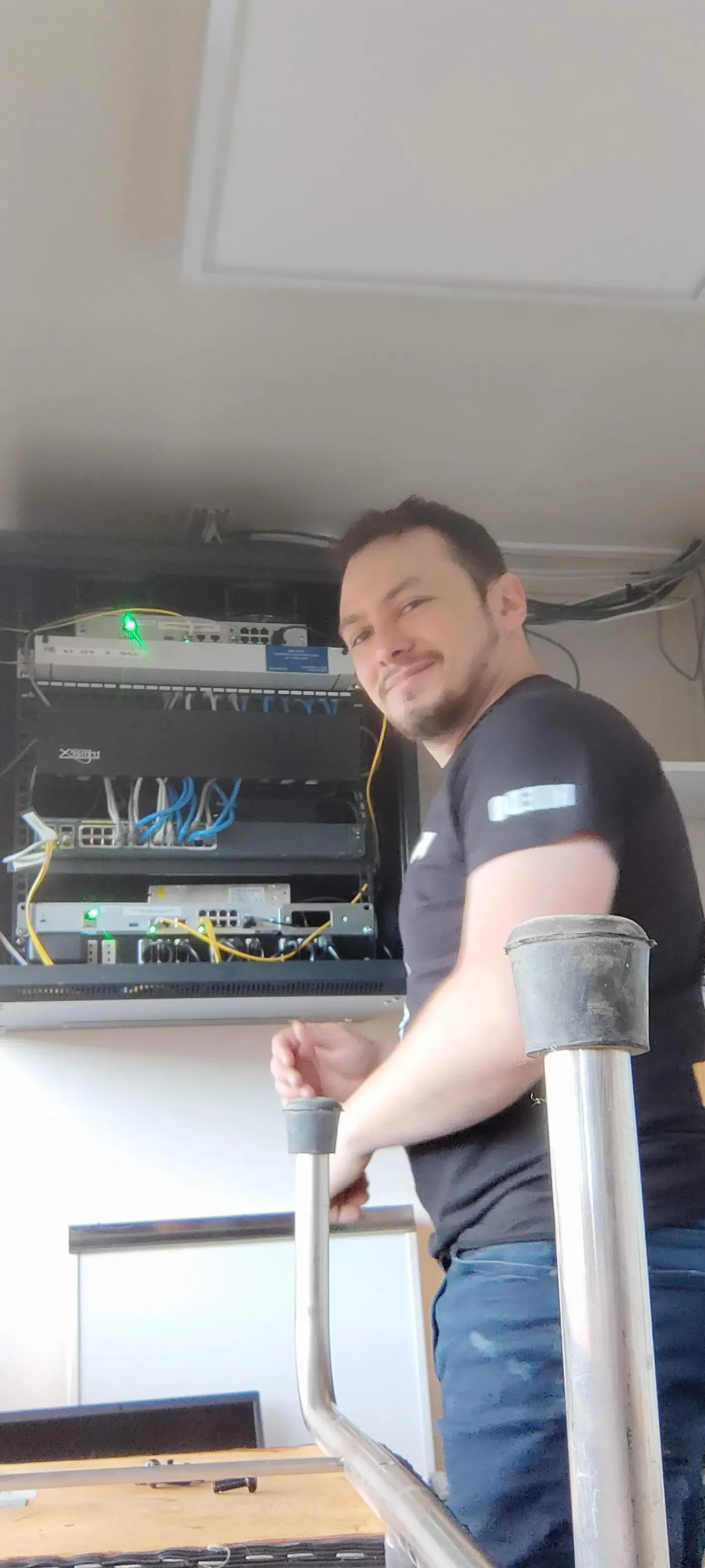
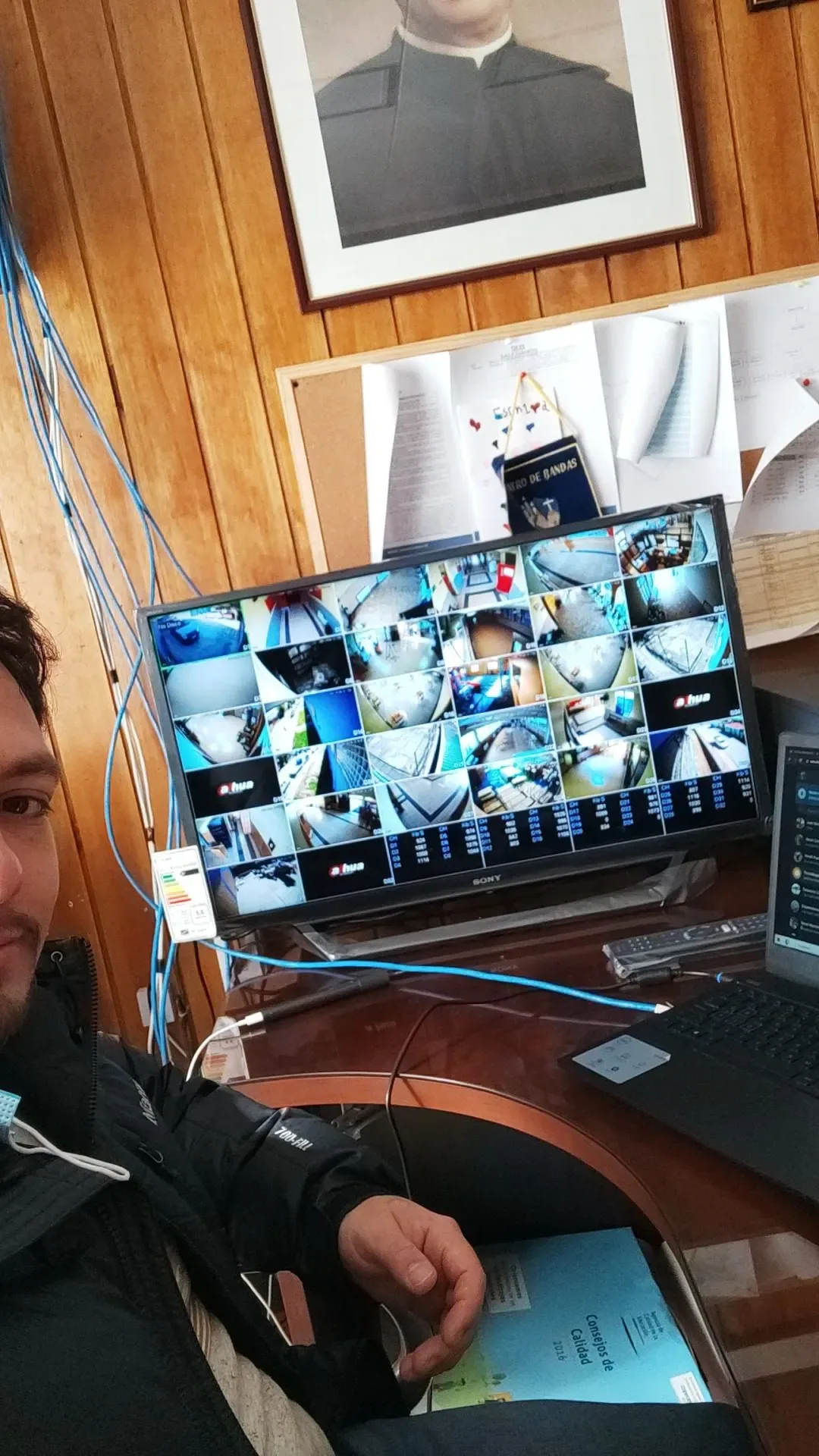
DITAP installations and equipment.

What we are solving.

We designed the coverage based on access points, work areas, and the specific conditions of the location. The proposal includes cameras, cabling, a recorder, and storage, all sized to meet the intended use.

If you already have a system in place, the first thing we do is review what can be leveraged. We check compatibility, night vision, and recording days, ensuring they align with the agreed-upon specifications.

For whom.

  • Businesses with access and storage/boxes.
  • Wine cellars and loading areas
  • Offices and common areas

What the proposal could include.

  • Data collection and coverage.
  • Selection of compatible cameras and recorder
  • Wiring and power according to range.
  • Recording settings and remote access.
  • Image testing, reproduction, and access delivery testing.
From the assessment to the delivery.

01

Tell us about the place.

Location, current problem, existing equipment, and objective.

02

Review and define.

We evaluated the scope and what information or visit is needed.

03

To agree on the proposal.

Teams, responsible parties, conditions, dates, and price, all in writing.

04

Validate and deliver.

Tests and documentation according to the contracted service.

Before hiring.

How is the price defined?

Based on the scope of work, the equipment needed, the labor involved, and the support required, the proposal confirms the cost and its terms before any agreement is made.

Could you please review what I already have?

Yes, you can share the inventory and the problem to assess compatibility and scope. The coverage and availability of a visit are confirmed for each location.

Related solutions.

Cameras · Accesses · Alarms

Let's talk about your next improvement.

Let's talk

People, process, and support.

Support before, during and after implementation.

A clear initial contact. A written proposal. Agreed-upon next steps.

  1. Before: to understand and define

    We discussed your needs and established goals, deliverables, deadlines, and costs within the proposal.

  2. During: to coordinate the work

    We agreed on responsibilities, stages, and the necessary information to move forward. The launch and training are defined according to the project.

  3. After: knowing how to proceed.

    We’ve agreed on the channels, times, and scope of the follow-up support, so you’ll know who to contact.

Answers before deciding.

What am I going to receive before signing a contract?

A written proposal outlining the scope, deliverables, stages, price, and terms. It also identifies any additional services you would like to include.

How is support organized?

We’ve defined the contact channel, the hours of operation, and the scope of support within the proposal. This allows you to understand what kind of assistance your service offers and how to request help.

What’s happening with the information related to my organization?

When defining the project, we reviewed what information is needed, who can access it, and how it will be shared. In software systems, we also agreed on the conditions for backup, preservation, and export.

Technology that supports your trust.

A protected technology foundation.

HTTPS / TLS

Encrypted connections

Your browsing on this website uses HTTPS/TLS to protect information during transmission.

AES-256

Encoded within the infrastructure.

Vercel, the provider of hosting for this website, documents the use of AES-256 encryption for data stored within its infrastructure.

DITAP

Protection connected to your business.

Cameras, access controls, and alarms are evaluated based on your spaces, users, and operational needs.

Learn about the supplier’s specifications.